


Apr
If you’ve been following the buzz from Watches & Wonders Geneva 2026, you know that the horological landscape just shifted. While the release of a new model usually takes center stage, this year, the biggest headline was an exit. Rolex has officially removed the GMT-Master II Ref. 126710BLRO – the legendary “Pepsi” – from its catalog.
The news sent shockwaves through the community, and for good reason. Overnight, the secondary market transitioned from steady demand to a full-blown frenzy. At DavidSW, we’ve seen interest in this reference spike to levels reminiscent of its original 2018 debut. But to understand why this discontinuation is so significant, we have to look at the history that made the red-and-blue bezel a permanent fixture in watch culture.
A Legacy in Red and Blue
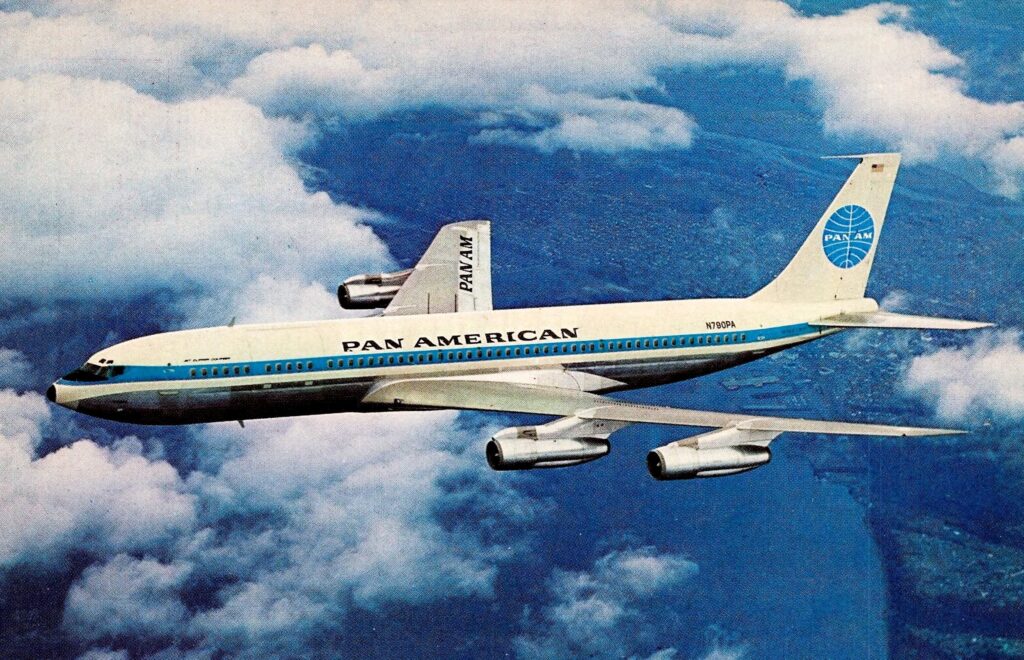
The “Pepsi” colorway dates back to 1955, originally designed for Pan Am pilots to distinguish day from night during long-haul flights. While many references have worn these colors, two modern iterations stand out as the pillars of the collection.
The Neo-Vintage Workhorse: Ref. 16710
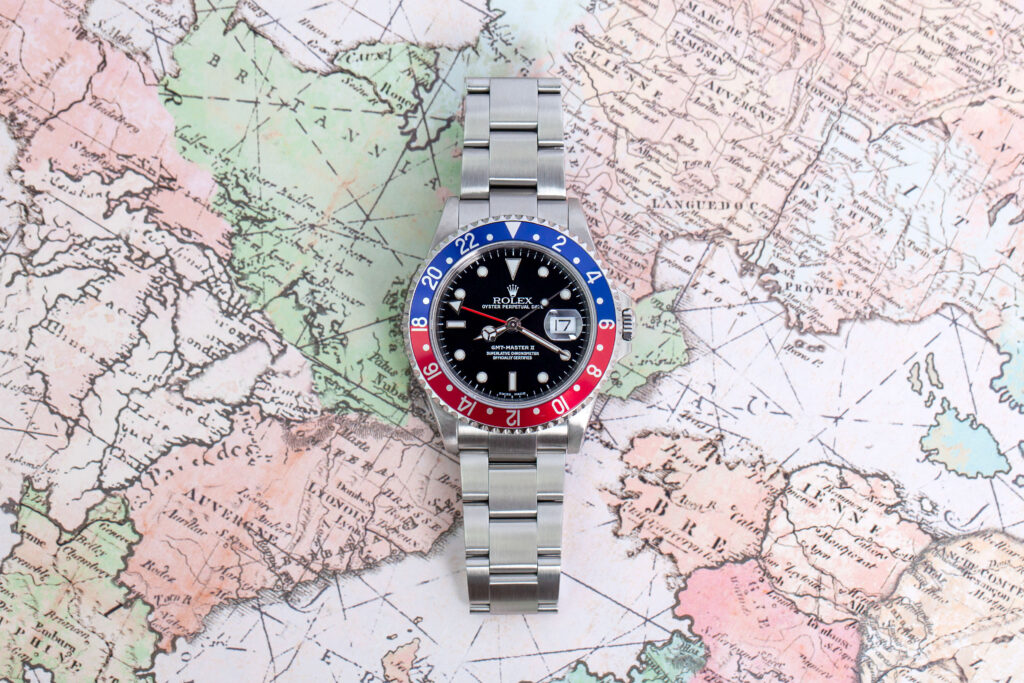
Produced from 1989 to 2007, the five-digit 16710 is often considered the “perfect” GMT by purists. It featured a slimmer case, and an aluminum bezel insert. Unlike the modern ceramic versions, these aluminum bezels were known to fade over time, giving each watch a unique, weathered character. It was a true tool watch – reliable, relatively thin on the wrist, and available with three different bezel options (Pepsi, Coke, and Black).
The Ceramic Revolution: Ref. 126710BLRO

When Rolex finally brought the Pepsi back in stainless steel in 2018, it arrived with a massive technical upgrade: the Cerachrom bezel. Creating a single piece of ceramic with two distinct colors – especially red and blue – is an incredibly difficult chemical feat. Rumors have swirled for years that production yields for these bezels were low, which may have ultimately led to the model’s retirement this year.
The Bracelet Divide: Jubilee vs. Oyster
One of the most discussed aspects of the 126710BLRO was its bracelet history. In an unusual move for the “Professional” line, Rolex initially launched the steel Pepsi in 2018 exclusively on the five-link Jubilee bracelet. This was a nod to the GMTs of the 1980s and served to distinguish the steel model from the white gold version (Ref. 116719), which sat on an Oyster.

It wasn’t until 2021 that Rolex finally offered the 126710BLRO on the three-link Oyster bracelet. This created two distinct “vibes” for the same watch: the Jubilee offering a dressier, cosmopolitan look, while the Oyster leaned into the rugged, athletic heritage of the GMT line. Now that production has ceased, collectors are scrambling to secure their preferred configuration before supply dries up entirely.
What’s Next for the GMT-Master II?
With the Pepsi officially gone, a massive void exists in the current lineup. For the first time in decades, there is no stainless-steel GMT-Master II with a red bezel element in the catalog.
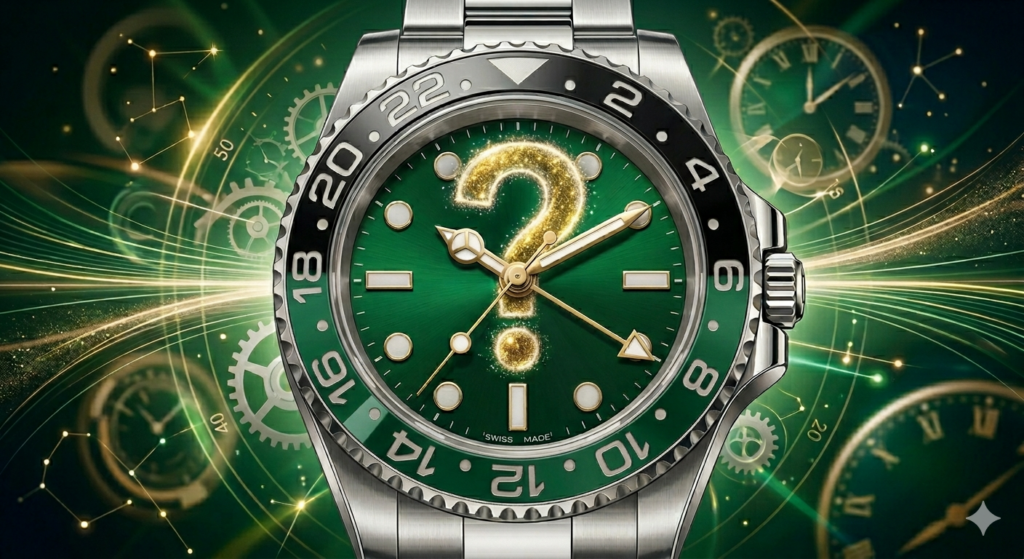
The “internet experts” are already predicting a return of the “Coke” (red and black), but as we saw in Geneva this year, Rolex prefers to keep us guessing. Whether we see a brand-new color combination in 2027 or a triumphant return of the Pepsi with a “perfected” ceramic process, one thing is certain: the 126710BLRO has officially entered the hall of fame.
At DavidSW, we pride ourselves on staying ahead of market shifts. While the “Pepsi” may be gone from the Rolex website, we are committed to sourcing the best examples of both the 16710 and the 126710 for our clients. Whether you’re looking for a piece of history or a modern icon, you can browse our current GMT-Master II inventory at DavidSW.com or visit us in person to see these legends for yourself.